sales@wxydzg.com
Recently, a domestic automotive component manufacturer, in collaboration with a university research team, has released a new type of forged aluminum alloy automotive chassis component. This component achieves a weight reduction of 30% through an integrated die forging process, and its tensile strength is increased to over 450 MPa. This enables the range of an electric vehicle to increase by more than 120 kilometers. The related technology has been verified by several automakers and is about to be mass-produced for the 2025 new model.
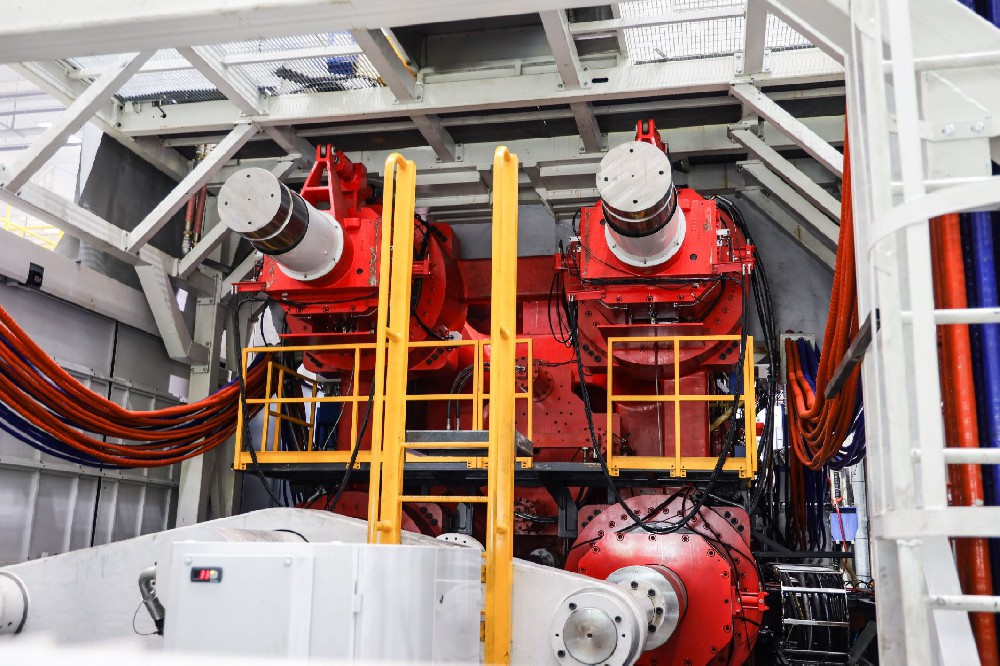
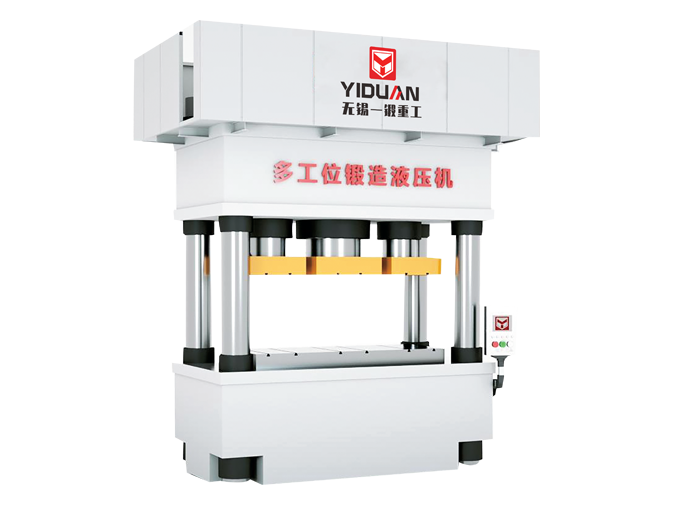
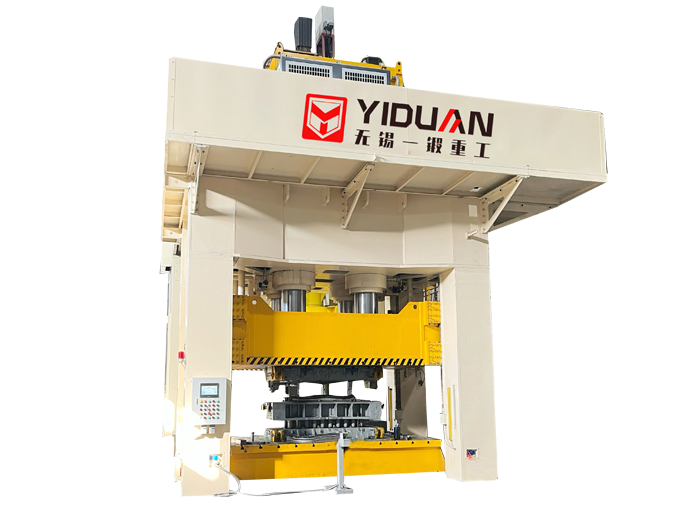
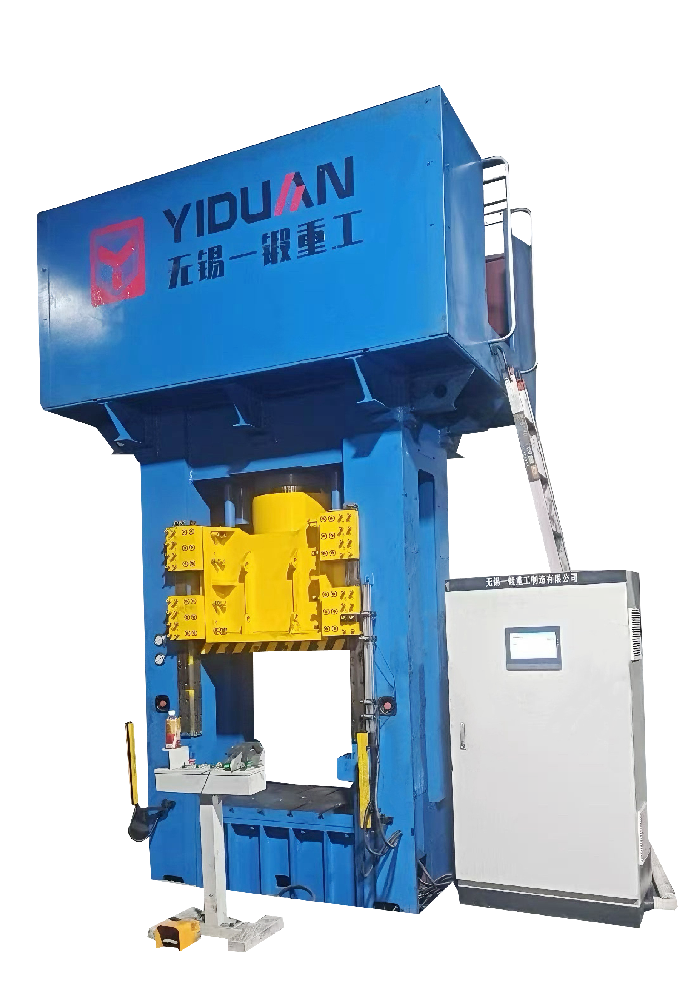
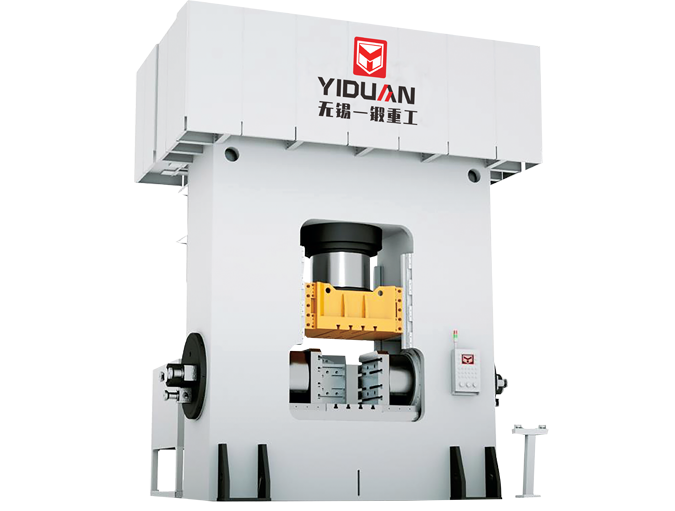
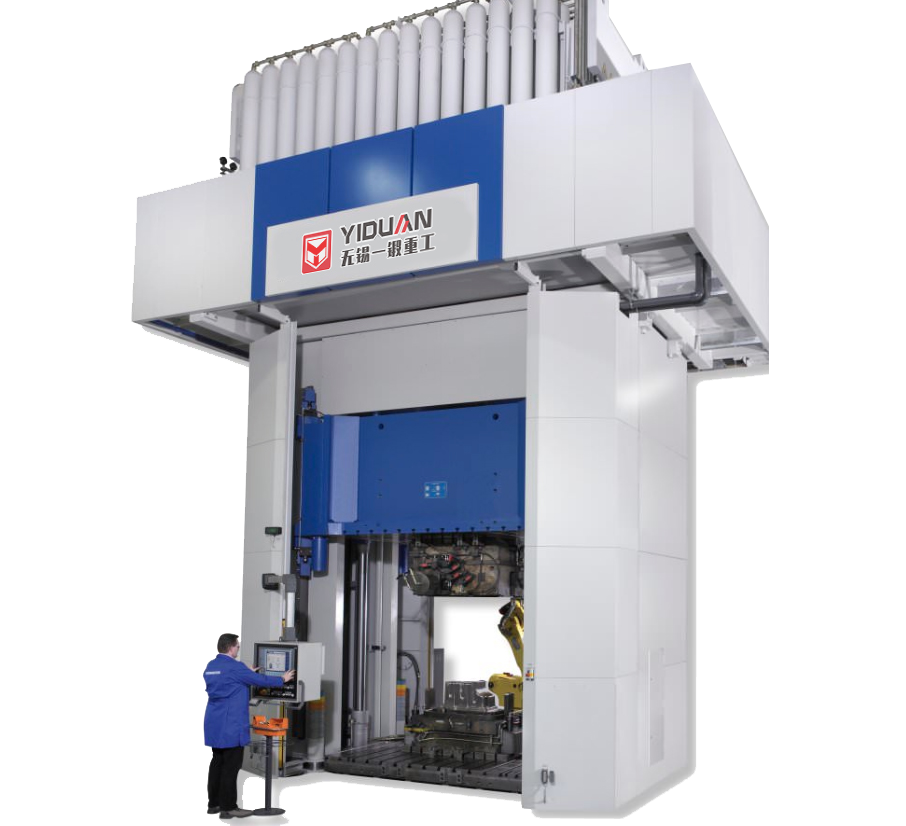
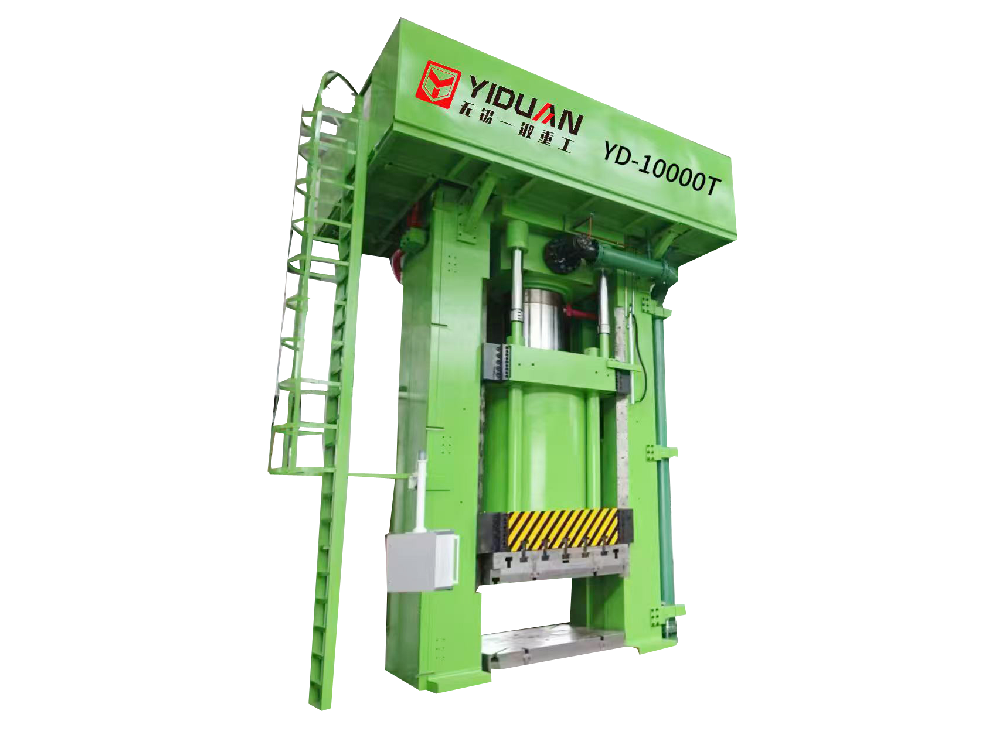
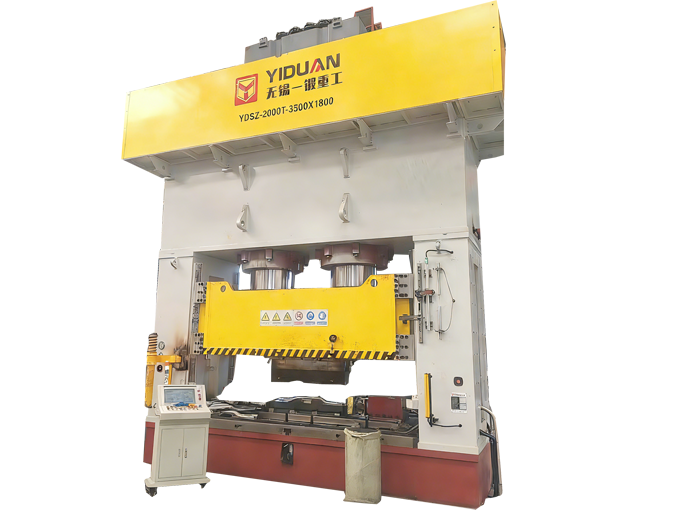
According to the head of the research team, this new forged component uses 6-series aluminum alloy as the raw material and innovatively applies the "low-temperature isothermal die forging + gradient aging" process, solving the problem of the difficulty in balancing strength and toughness of traditional aluminum alloy forgings. During the production process, relying on a 3.2-ton precision die forging press, through precise control of the mold temperature (±2℃) and forging pressure curve, the aluminum alloy material's grain size is refined to 5-10 μm, which is 60% smaller than that of traditional forgings, and the component's fatigue life is increased by more than 2 times.
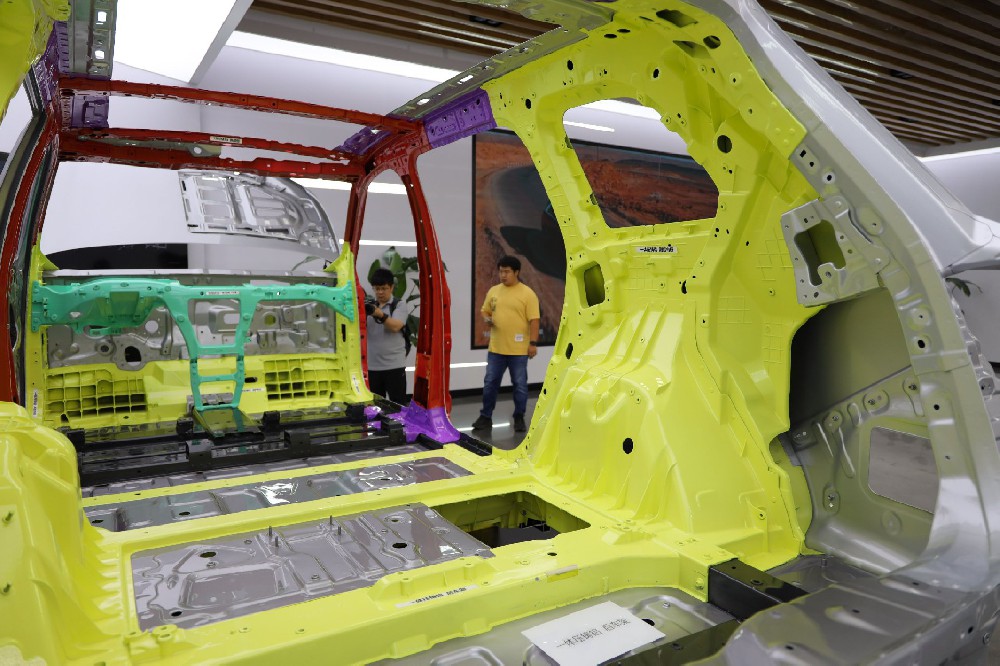
"Previously, the chassis of electric vehicles mostly used a multi-component welding structure, which not only had a large weight but also had the risk of welding stress concentration," said a technical director of a certain automaker. The new integrated forged chassis component integrates the original 12 welded components into one integral forging piece, reducing the number of parts by 90%, improving assembly efficiency by 80%, and significantly reducing the probability of chassis abnormal sounds, fractures, etc. Currently, this component has completed 100,000 kilometers of road tests, and all performance indicators are superior to industry standards. It is expected that after mass production and supply in 2025, it can help automakers reduce the vehicle manufacturing cost by approximately 8%.
Industry data shows that at present, lightweighting has become the core direction for reducing costs and increasing efficiency in electric vehicles. Due to its high strength and low weight advantages, the market demand for forged aluminum alloy components has an average annual growth rate of over 40%. This breakthrough in the new forged component not only pushes China's automotive forging technology to rank among the international advanced ranks, but also provides key support for the new energy vehicle industry to achieve "lightweighting, high range, and low cost" development.